Eating & Food Behaviors to Get Curious About in 2026
You are not alone if you’ve done any or all of the following……
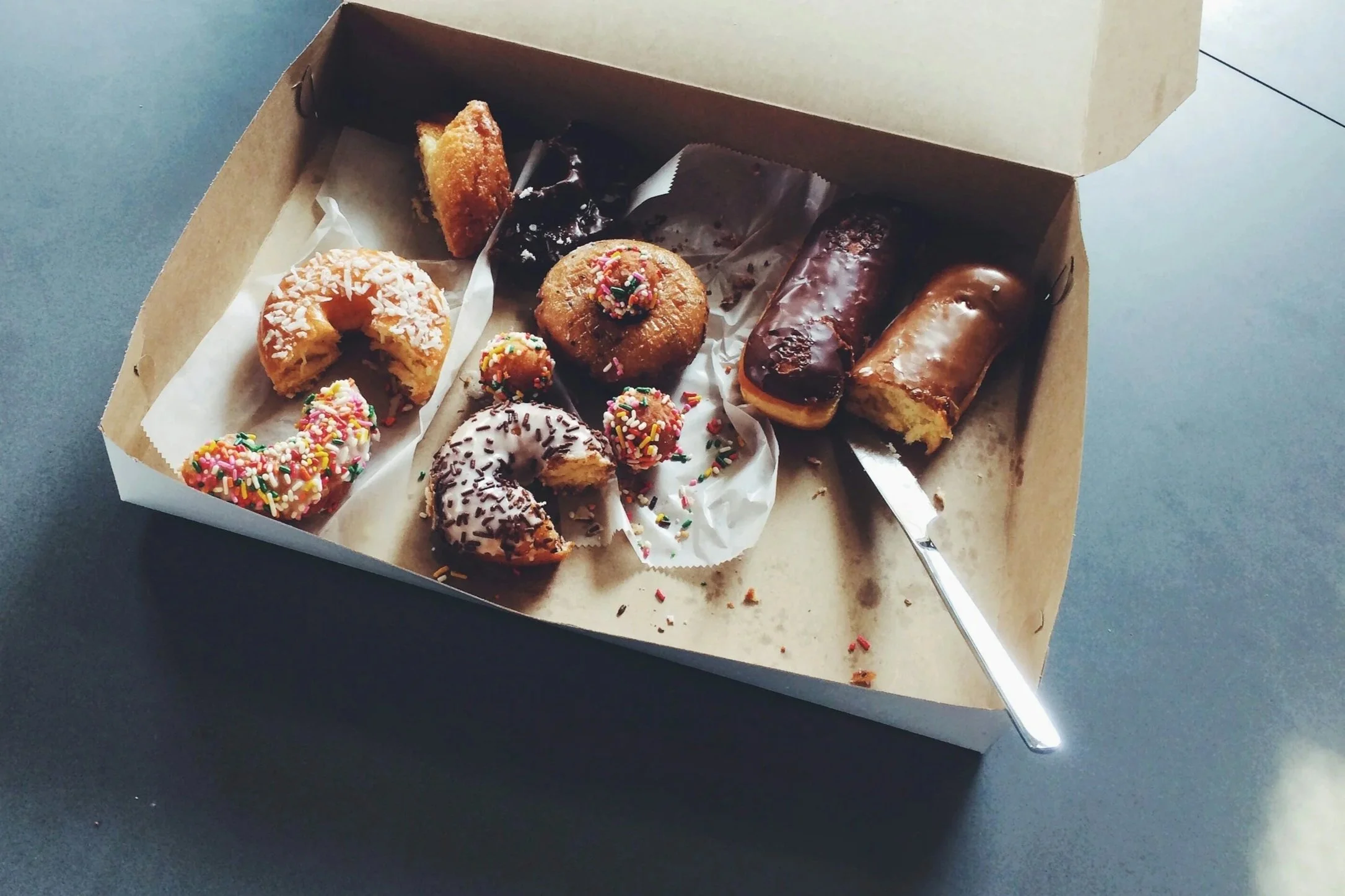
“Snuck out” from home or work to eat foods you want but are ashamed to eat in front of others
Thrown away food containers in public trash bins rather than at home so “no one will see” what you ate
Chewed food & spit it back out instead of swallowing it
Binge ate and/or binge drank in your car
Stopped for food on the way home after a meal out or party because you were scared to eat in front of others at the restaurant or party
Used a self-checkout at the grocery store instead of the regular check-out line due to embarrassment about the types or amounts of foods you were buying
Obsessive scrolling through food delivery apps without ordering any food due to fear, embarrassment, or shame
These are just a mere sampling of some of the food and eating behaviors that I help my clients work through. Our food choices and eating behaviors are highly personal and have been molded over the years by early childhood experiences, family eating patterns, cultural messaging, dieting experiences, access to food, and many other factors.
More often than not, my clients hold a great deal of shame about desiring food in general and wanting to eat foods that are deemed “bad”, “unhealthy” or “forbidden” (e.g., fast food, sweet foods, etc.). In my experience, this shame often leads people to develop a highly complex system of behaviors to manage their food intake and eating pattern. These behaviors can lead my clients to eat in a particular way in front of other people and a different way when alone (sometimes called a “false food face.”).
There can be a great deal of cognitive dissonance that exists between the idealization of how someone wants their eating to be perceived (e.g., “you’re such a healthy eater”, “you have so much control around food”) and what their body and palate desires. My clients often express this as the age-old “angel on one shoulder and devil on the other shoulder.” Any craving or desire for food that doesn’t meet the “angelic” idealization is demonized and judged. The reality is that we can honor our desires and preferences while taking care of ourselves nutritionally. Our relationship with food is dynamic and complex. It’s not an “either/or”, it’s a “both/and”!!
My work with my clients involves bringing to light and untangling the complex system of behaviors that have developed around food and eating so that they can find autonomy, agency, and peace in their relationship with food (and, if I can help you, click here to learn more about my services!!). The way that we start to unearth these behaviors is to get curious about how we think, feel, and interact with food (without judgment). The behaviors we engage in started for a reason and continue to be there for a reason. They are serving us in some way. The more curious we can be about our relationship with food, the more we can learn about our needs.
Where Do I Start?
Here are two categories of eating/food behaviors I typically see, along with some questions to guide you in getting curious about these behaviors.
Concealment and “Secret Eating”
Some examples of concealment and “secret eating” include:
Eating meals or snacks outside of public view (e.g., in a bedroom/closet, inside a car in an uncrowded parking lot, only at home when no one else is around)
Going out to get food under the guise of running non-food related errands
Throwing away food packages in outdoor trash bins or public trash bins rather than in a home or work trash bin to prevent other people from seeing what you’ve eaten
Keeping a secret “food stash” hidden away at home or at work
Replacing food items that you’ve finished at home or work to give the illusion that they haven’t been opened or eaten (this can also include refilling or rearranging food items that have been opened to make it look like they haven’t been eaten)
The common thread is a desire to conceal what or how much you’ve eaten from yourself or others due to fear or judgment, embarrassment, and shame. If you find yourself engaging in these types of behaviors, here are a few questions to get curious about:
What are my fears of being seen eating a particular food? What would happen if someone saw me eating a “forbidden” food?
How did I come to develop guilt or shame around foods that I deem “unhealthy”, “bad”, or “forbidden”? Where did these beliefs originate? How are these beliefs serving me today?
What are all the costs (and the benefits) of concealment and secrecy around my eating? What would it be like to honor my appetite and palate without needing to hide?
Filling Behaviors
Some examples of filling behaviors include:
Eating a small portion of food in front of others at a social event and then “filling up” on food on the way home because you restricted your intake during the event
Stopping at numerous stores and restaurants in quick succession to procure different types of foods (this may also be part of a person’s bingeing ritual)
Binge eating foods and binge drinking alcohol
Purchasing several different types of a single food item because buying one “doesn’t feel like enough” (e.g., buying five different types of pie because you want to try more than one type)
Filling behaviors are often about trying to get “enough.” These often pop up from long periods of restrictive eating and for people who have strong, rigid food rules. If you find yourself engaging in these types of behaviors, here are a few questions to get curious about:
Am I really getting enough food to feel satisfied physically, mentally, and emotionally? What would it be like to eat satisfying, sustaining meals and snacks on a consistent basis?
What thoughts and feelings pop up for me when I have the desire to try or purchase several different types of the same foods? Are there any food rules that arise in these situations (e.g., “You can have pie today, but that’s it. No more pie after today so you better eat it all right now.”)? How might these food rules be serving you and/or keeping you stuck?
Here’s to curiosity and gentle healing in 2026!